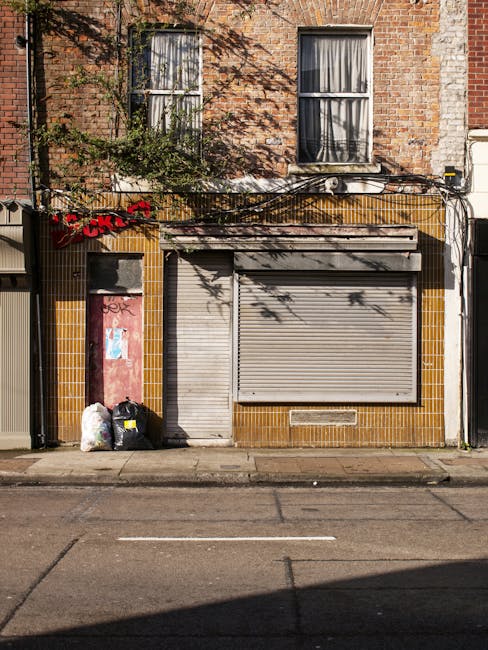
Cable Street local guide to rubbish removal in Whitechapel
If you live, work, or manage property near Cable Street, rubbish removal can become one of those jobs that looks simple until you actually start lifting bags, sorting bulky items, and wondering what can legally go where. This Cable Street local guide to rubbish removal in Whitechapel is here to make that process clearer, calmer, and much less annoying. Whether you are clearing a flat, dealing with office waste, or shifting a few awkward bits of furniture on a damp Thursday afternoon, the right approach saves time, reduces stress, and helps you avoid mistakes that turn a quick tidy-up into a full-day headache.
Whitechapel has its own rhythm. Tight streets, busy pavements, mixed-use buildings, and plenty of homes above shops all affect how rubbish removal works in practice. So let's keep this grounded and useful. We'll cover how rubbish removal usually works, what options make sense in different situations, what to check before booking, and where a local service can make life easier. There's a lot to think about, but not in a scary way. More in a "right, let's sort this properly" kind of way.
Table of Contents
- Why Cable Street local guide to rubbish removal in Whitechapel matters
- How Cable Street local guide to rubbish removal in Whitechapel works
- Key benefits and practical advantages
- Who this is for and when it makes sense
- Step-by-step guidance
- Expert tips for better results
- Common mistakes to avoid
- Tools, resources and recommendations
- Law, compliance, standards, or best practice
- Options, methods, or comparison table
- Case study or real-world example
- Practical checklist
- Conclusion
- Frequently asked questions
Why Cable Street local guide to rubbish removal in Whitechapel Matters
Rubbish removal is not just about getting rid of clutter. In a place like Cable Street, it affects access, safety, neighbours, business continuity, and even how smoothly your day runs. A hallway blocked by broken furniture, a stairwell full of black bags, or a shop storeroom packed with old packaging can quickly become more than an inconvenience. It becomes a practical problem.
Whitechapel properties often have a mix of older building layouts and modern refurbishments. That means narrow entrances, shared stairwells, basement access, and limited loading space are all common. If you have ever tried to move a wardrobe through a tight landing, you will know the feeling. It sounds manageable. Then you turn the corner. Not so manageable anymore.
Local rubbish removal matters because it helps you match the service to the reality of the building. That includes the kind of waste you have, how much there is, and whether it needs special handling. A good plan reduces disruption and avoids those last-minute scrambles where everyone is standing outside holding a sofa while someone asks, "Is this even going to fit?"
It also matters for trust. A provider should be clear about what they collect, what they cannot collect, how they price the job, and what happens to the waste afterwards. If you want a service overview before booking, it can help to look at the broader waste removal service and the company's recycling and sustainability approach so you know what sort of process you are dealing with.
How Cable Street local guide to rubbish removal in Whitechapel Works
Most rubbish removal jobs follow a fairly simple pattern, but the details matter. You start with the waste itself, then the access, then the timing. That sequence helps avoid surprises.
First, identify what needs removing. Household clutter, old furniture, office chairs, construction debris, garden waste, or mixed rubbish all have different handling needs. A pile of mixed material is normal, by the way. People rarely clear a space in neat categories. Real life is more like: old lamp, bag of offcuts, broken drawer, paint-splattered sheet, three mystery cables, and one bicycle wheel no one remembers owning.
Next, think about access. Can items be carried down stairs? Is there lift access? Is parking possible nearby? Can the team load from the front or rear? In Cable Street and the wider Whitechapel area, those practical questions can change the whole job.
Then comes scheduling. Some jobs need same-day removal. Others are better planned a day or two ahead, especially if you are coordinating with a move, a landlord check-out, a refurbishment, or a business closure. If the clearance is part of a wider property project, related services such as flat clearance, house clearance, or office clearance can be more suitable than a generic one-off collection.
Finally, the items are separated, loaded, and taken away for appropriate disposal or recovery. That last part is where a proper provider earns its keep. Sorting, reuse, and responsible handling are not glamorous, but they are the difference between a neat finish and a dodgy one.
Key Benefits and Practical Advantages
When rubbish removal is done well, the benefits are very practical. Not abstract. Not theoretical. You notice them immediately.
- Less disruption: a cleared room, hallway, or yard opens up space for the next job straight away.
- Faster turnaround: you avoid leaving waste sitting around while you arrange transport or disposal yourself.
- Better safety: removing sharp, heavy, or unstable items lowers the risk of trips and injury.
- Less guesswork: a good service helps you understand what can be removed and how it will be handled.
- More suitable for local properties: tight access, stairs, and parking constraints are easier to deal with when the team expects them.
- Cleaner handovers: especially useful before tenancy changes, sales, refurbishments, or inspections.
There is also a quiet advantage people often miss: mental relief. A cluttered space has a way of sitting in the back of your mind. You can hear it almost. The groan of the old cabinet. The bags by the door. The "I'll sort it next weekend" pile that somehow becomes a month old. Once it is gone, the whole place feels lighter.
If you are dealing with specific bulky items, it may be worth comparing dedicated furniture disposal and furniture clearance options, especially if sofas, tables, wardrobes, or office furniture are taking up most of the space.
Who This Is For and When It Makes Sense
This guide is useful for anyone in or around Cable Street who needs rubbish removed without turning the job into a DIY expedition. In practice, that covers quite a few people.
Homeowners and tenants
If you are moving out, rearranging a home, or dealing with accumulated clutter, rubbish removal can take pressure off the whole process. It is especially helpful when items are too large for standard bins or too awkward to carry alone.
Landlords and letting agents
End-of-tenancy clearances often need speed and a bit of tact. Not every property is left in pristine condition, let's be honest. A fast, organised clearance helps prepare the space for cleaning, repair, and re-let.
Local businesses
Shops, cafes, offices, and small commercial spaces in Whitechapel often need waste removed without interrupting trading. For that, a business waste removal service or a more tailored office clearance approach is usually the better fit.
Tradespeople and refurb teams
If you are clearing rubble, packaging, offcuts, or old fittings after a project, a builders waste clearance service can keep the site moving. No one wants to trip over plasterboard at 7.30 in the morning.
People dealing with one-off life changes
Bereavement, downsizing, separation, or a sudden move often create a need for quick, respectful clearance. In those cases, a home clearance or house clearance can be the least stressful route.
Step-by-Step Guidance
Here is a straightforward way to approach rubbish removal in Cable Street without missing anything important.
- Identify the waste type. Separate general rubbish, furniture, renovation waste, and garden debris if you can. Even a rough split helps.
- Estimate volume. A small pile is not the same as a roomful of bulky items. Take a quick look before you book.
- Check access. Note stairs, lifts, narrow corridors, parking, and any loading restrictions.
- List anything unusual. For example, heavy appliances, awkward furniture, mixed materials, or items that may need special handling.
- Choose the right service. Flat, loft, garage, garden, or office clearances are often more efficient than a generic collection.
- Ask about timing and pricing. A clear quote should explain what is included and whether labour, loading, and disposal are covered.
- Prepare the space. Move smaller items together, clear a path, and keep doors accessible if possible.
- Walk through the job on arrival. A brief handover helps avoid confusion and saves time.
- Check the area after clearance. Make sure nothing has been missed, especially in corners, sheds, lofts, or behind furniture.
If you are clearing a less obvious area, the service should match that space. A loft clearance, garage clearance, or garden clearance can be more efficient than trying to describe everything as "just a bit of rubbish." Which, to be fair, is what many people say first.
Expert Tips for Better Results
A few practical habits make rubbish removal smoother and usually cheaper too.
Start with the biggest items first. When bulky furniture is removed early, the rest of the room becomes easier to sort. Small bags and loose items then feel less overwhelming.
Separate reusable items from waste. If something can be reused, donated, or resold, keep it aside before the clearance begins. Even one salvaged chair or cabinet can make a difference.
Take photos if the job is complex. This is especially useful for mixed waste, multiple rooms, or awkward access. A few photos can prevent misunderstanding and help with quoting.
Think about timing around neighbours. In shared buildings, quiet hours, stairwell traffic, and parking pressure all matter. A morning clearance may be easier than a late-afternoon scramble when everyone else is coming home.
Keep valuable or personal items out of the pile. It sounds obvious, but keys, documents, chargers, and small keepsakes often hide in drawers and bags. One quick check saves a lot of "hang on, where did that go?" later.
Use the right service for the job. A local provider offering furniture clearance, flat clearance, or general waste removal can usually match the job more precisely than a one-size-fits-all approach.
One small but useful habit: leave one clear walking route through the property before collection day. It sounds minor, but it changes everything. Less shuffling. Less lifting. Less chance of knocking something over with your shin, which is never a fun moment.
Common Mistakes to Avoid
Most rubbish removal problems come from small oversights rather than big disasters. The good news? They are usually easy to avoid once you know what to look for.
- Underestimating the amount of waste: a "small" clearance can become a large one fast, especially after cupboards, lofts, or storage areas are opened up.
- Not checking access: stairs, parking, and lift restrictions can change the price or the timing.
- Mixing prohibited items with general waste: certain items may need different handling, so always mention anything unusual in advance.
- Leaving sorting until collection day: if you want the job to run smoothly, do some basic grouping beforehand.
- Booking the wrong type of service: office waste, builders debris, and household clutter are not always handled in exactly the same way.
- Ignoring sustainability: if recycling and reuse matter to you, ask how the provider approaches sorting and recovery.
- Forgetting shared-building realities: noise, access, and neighbour impact matter in Whitechapel more than many people expect.
There is also a subtle mistake people make when they are in a rush: they focus only on getting rid of the rubbish and forget the end state. What should the space look like afterwards? Empty? Swept? Ready for decorating? A clear target keeps everyone on the same page.
Tools, Resources and Recommendations
You do not need much equipment for a basic clearance, but a few simple tools make the process easier.
- Heavy-duty bags: useful for loose rubbish and smaller mixed items.
- Work gloves: helpful when handling sharp edges, dirty items, or broken pieces.
- Label stickers or marker pens: good for marking keep, donate, and remove piles.
- Protective covers or sheets: useful if you are moving items through clean areas of the property.
- Phone camera: ideal for taking before-and-after photos or sharing details with the clearance team.
For planning and reassurance, a few site pages are genuinely worth reading if you want to understand how a service operates. The company's about us page helps explain who is behind the service, while the pricing and quotes page is useful if you want a clearer idea of how estimates are handled. If you are sorting out a difficult situation, the contact us page is the natural next step.
For jobs involving bulky household items, the choice often comes down to whether you need furniture disposal, a broader clearance, or a mixed-service visit. A little planning goes a long way here.
Law, Compliance, Standards, or Best Practice
Rubbish removal in the UK comes with basic duties of care and sensible handling expectations. You do not need to become a legal expert to manage your own clearance, but it does help to understand the principles.
At a practical level, you should only use a provider that can explain how your waste will be managed and what happens after collection. Responsible handling matters because waste is not just "gone" when it leaves the building. It is transported, sorted, and either reused, recycled, or disposed of depending on the material.
For businesses, the standard is usually stricter than for households. Records, duty of care, and proper segregation are all more important when waste comes from a commercial setting. That is why a dedicated business waste removal service can be a sensible choice rather than trying to fit commercial rubbish into a domestic workflow.
Health and safety also deserves a mention. Heavy lifting, sharp edges, dust, uneven stairs, and cramped access are all common during clearances. A trustworthy provider should have a sensible approach to safety, and you can learn more through the company's health and safety policy and insurance and safety information.
If your project involves refurbishment debris, the right solution is often a tailored builders clearance rather than mixing everything into household waste. That keeps the job cleaner, safer, and more in line with accepted best practice.
Options, Methods, or Comparison Table
Different clearance methods suit different jobs. Here is a simple comparison that helps with decision-making.
| Option | Best for | Strengths | Limitations |
|---|---|---|---|
| Self-clearance | Very small amounts of light waste | Low direct cost if you already have transport | Time-consuming, physically demanding, disposal logistics are on you |
| Man-and-van style rubbish removal | Mixed household items, small clear-outs, quick turnarounds | Flexible, convenient, suited to awkward access | May not suit specialist waste streams |
| Specialist clearance service | Flats, offices, gardens, lofts, garages, bulky furniture | Better matched to the type of job, often faster and tidier | Needs a clearer brief and sometimes more planning |
| Trade or builders clearance | Construction waste, renovation debris, site clean-up | Designed for heavy or messy material, safer for project flow | Not the right fit for ordinary household clutter |
As a rule of thumb, the more awkward the space or the heavier the waste, the more valuable a specialist service becomes. If the job involves multiple room types, a combination of home clearance and loft clearance might be more effective than one broad booking.
Case Study or Real-World Example
Picture a small flat near Cable Street after a tenant move-out. The hallway has a broken chair, two flattened boxes, a coffee table with a wobble you can see from across the room, and a pile of general rubbish that did not make it into the final bin collection. Nothing dramatic. Just one of those jobs that looks minor until you start lifting.
The first step is a quick walk-through. The team checks the stairwell, notes that the lift is too small for the table, and confirms where the items can be loaded. A few smaller pieces are grouped together. The furniture goes first because it is the awkward part. After that, the bags and mixed waste are cleared in one go. The room is left open, the tenant can hand back the property, and the landlord is not stuck arranging a second visit.
What made this work well? Three things: clear access information, the right type of service, and a realistic expectation of what could be removed in one visit. Nothing magical. Just sensible planning, which is often the whole game.
Practical Checklist
Use this checklist before your rubbish removal booking. It keeps the process tidy and avoids those little last-minute surprises.
- Identify the main waste types.
- Separate furniture, general rubbish, and special items where possible.
- Check whether stairs, lifts, or parking could affect the job.
- Take a few photos of the waste and access points.
- Decide whether you need household, office, garden, loft, garage, or builders clearance.
- Keep valuables, documents, keys, and personal items out of the pile.
- Clear a simple route from the waste to the exit.
- Ask how recycling and reuse are handled.
- Confirm timing, pricing, and what is included.
- Do a final walkthrough after the collection.
If the job is part of a larger property refresh, you may also want to check related service information for home clearance or office clearance so you can match the service to the space more accurately.
Conclusion
Cable Street rubbish removal in Whitechapel works best when it is approached as a practical project, not a guessing game. Once you understand the waste type, the access, and the service that fits, the rest becomes much easier. That is especially true in local properties where stairs, narrow entrances, and shared access can make a simple job feel bigger than it really is.
The good news is that most clearances are straightforward once the plan is clear. Choose the right service, prepare the space, ask sensible questions, and keep an eye on safety and recycling. It is not glamorous work, but it is deeply satisfying when it is done well. The room breathes again. The hallway clears. You can actually see the floor. Small win, but a real one.
Get a free quote today and see how much you can save.
And if you are still weighing up what to do next, take it one step at a time. A tidy space has a way of making the next decision feel lighter.
Frequently Asked Questions
What is the best rubbish removal option for a flat in Cable Street?
For most flats, a specialist flat clearance or general waste removal service is the easiest fit. It handles stairs, tight access, and mixed waste more smoothly than trying to move everything yourself.
How do I know whether I need furniture disposal or furniture clearance?
If you only have one or two bulky items, furniture disposal may be enough. If the job includes several pieces or other household waste too, furniture clearance is usually the better choice.
Can rubbish removal handle office waste as well as household waste?
Yes, but it is best to match the service to the waste type. Business premises usually benefit from a dedicated business waste removal or office clearance service because commercial waste can involve different handling needs.
What should I do before a clearance team arrives?
Make a clear path, separate valuables from waste, and note any access issues such as narrow stairs, parking limits, or locked gates. A quick photo set can also help.
Is same-day rubbish removal possible in Whitechapel?
Sometimes, yes. It depends on schedule availability, the size of the job, and whether the access details are simple enough for a fast collection.
Do I need to sort items before rubbish removal?
You do not need to perfectly sort everything, but basic separation helps. Keep furniture, general rubbish, and anything unusual apart if you can. It speeds up the job and reduces confusion.
What happens to the rubbish after it is collected?
That depends on the material and the provider's process. A responsible service will sort items for reuse, recycling, or disposal as appropriate. If sustainability matters to you, ask about it before booking.
Are loft and garage clearances worth booking separately?
Often, yes. Loft and garage spaces usually contain awkward, mixed, or dusty items, so a dedicated clearance can be more efficient than a general job.
How do I avoid extra charges on rubbish removal?
Be accurate about the amount of waste, mention access issues, and disclose any bulky or unusual items early. Surprise details are what tend to cause price changes, not the ordinary stuff.
What if I need help with builders' debris after a renovation?
Use a builders waste clearance service. It is better suited to rubble, offcuts, packaging, and site debris than standard household rubbish removal.
Can I combine a house clearance with furniture removal?
Absolutely. In many cases, that is the sensible approach. A broader house clearance can include furniture removal, general clutter, and other household items in one organised visit.
How do I choose a trustworthy local provider?
Look for clear service information, straightforward pricing, sensible safety details, and a proper explanation of how waste is handled. Pages such as about us, pricing and quotes, and sustainability information can help you judge whether the service feels reliable.