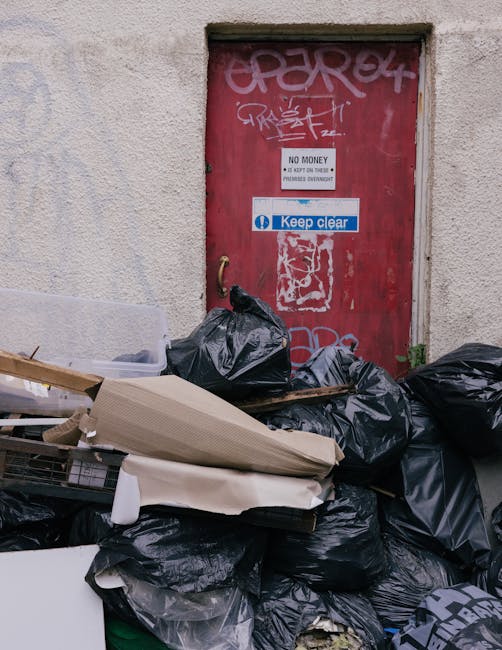
Emergency Rubbish Clearance After Events at Brick Lane
When an event wraps up on Brick Lane, the mood can shift fast. One minute you have music, crowd energy and trays being cleared; the next you're looking at bins overflowing, broken packaging underfoot, and a back alley that needs to be usable again by morning. Emergency rubbish clearance after events at Brick Lane is exactly for those moments when waiting is not really an option.
In a busy London setting, delays create knock-on problems. Staff have to keep working around waste, neighbours notice the mess, and the clean-up can start to feel bigger than the event itself. This guide explains how urgent event waste removal works, who needs it, what to expect, and how to avoid the common mistakes that make a bad situation worse. It's practical stuff, not fluff. And yes, a little planning saves a lot of panic.
Why Emergency Rubbish Clearance After Events at Brick Lane Matters
Brick Lane is lively, tightly packed and always moving. That's part of the appeal, of course. But it also means post-event waste can become a very visible problem, very quickly. If rubbish is left out too long, it can block access, attract pests, create odours, and make it harder to reopen a venue or finish a clean-down safely.
For event organisers, the challenge is not just "getting rid of the rubbish." It's getting rid of it fast, without causing extra disruption. After a busy launch, private party, street-facing pop-up, gallery night, or corporate function, waste may include food packaging, glass, cardboard, damaged decor, broken furniture, disposable tableware, and random mixed junk that nobody wants to sort at 1 a.m. Let's face it, nobody's best work happens when the bins are already at the seams.
In practical terms, urgent clearance protects the reputation of the venue and the people running it. It also helps reduce trip hazards and keeps things moving for cleaners, staff and contractors. If the event involved furniture or temporary set pieces, you may also need a broader service such as furniture clearance or, where the items are no longer usable, furniture disposal.
Key takeaway: emergency event waste removal is not just a tidy-up. It is a safety, access and reputation issue, especially in a busy area like Brick Lane where space is limited and timing matters.
How Emergency Rubbish Clearance After Events at Brick Lane Works
Urgent clearance is usually built around speed and flexibility. In most cases, the process starts with a quick description of what needs removing, how much there is, and whether anything requires special handling. The aim is to get the right team, vehicle and equipment on site without unnecessary delay.
A good clearance visit usually follows a fairly simple sequence:
- Assessment: the waste type, volume and access points are checked.
- Planning: the team decides what can be loaded first and whether any sorting is needed.
- Safe lifting and loading: rubbish is removed in a way that keeps walkways and exits clear.
- Transport: the waste is taken away for sorting, recycling or disposal.
- Final sweep: the area is left usable, rather than just "less messy."
If the event created a mixed waste pile, it can help to separate obvious recyclables such as cardboard and certain plastics from general waste. That said, in an emergency, the main goal is speed and safety. Overthinking the sorting can slow everything down and sometimes makes the mess spread. A bit of judgement goes a long way.
For larger jobs linked to venue refits, temporary staging, or post-event repairs, you may also need builders waste clearance if there are heavier or sharper materials involved. If the rubbish came from a business operation rather than a one-off celebration, business waste removal may be the more suitable route.
Key Benefits and Practical Advantages
There are obvious benefits to clearing rubbish quickly, but the less obvious ones matter too. When the clean-up is handled well, the whole event recovery feels calmer. Staff are not stepping around bags. Guests do not have to leave through a cluttered entrance. The venue can reset sooner.
- Safer access: fewer trip hazards, blocked doors or scattered debris.
- Faster turnaround: the venue can reopen, reset or hand back the space sooner.
- Better presentation: ideal for businesses that care about first impressions.
- Less stress for staff: the clean-up becomes a managed task rather than an all-night scramble.
- Better waste handling: recyclable materials can be separated more effectively when the right service is used.
There is also a practical financial angle. A rushed, disorganised clean-up often leads to extra labour hours, damaged items, or repeat visits. If the event organiser already knows they will need removal support, checking pricing and quotes early can help keep the recovery phase predictable.
Another benefit is peace of mind. Sounds simple, but after a long event night, that really matters. Knowing someone is coming to deal with the pile-up means your team can focus on closing down safely, not arguing over who's taking the rubbish out. Seen it many times.
Who This Is For and When It Makes Sense
Emergency rubbish clearance at Brick Lane is useful for a wide mix of people. It is not just for big festivals or public events. Small spaces can generate just as much chaos when the room turns over quickly and nobody has time for a full sort-out.
It may make sense if you are:
- a venue manager dealing with post-event waste after a busy night
- an event organiser working to hand back a space before the next booking
- a business owner with packaging, display waste or damaged materials after a launch
- a caterer or hospitality team left with excess food packaging and black bags
- a landlord or property manager responsible for a function space or flat
- a contractor clearing after temporary set-up or breakdown work
It also makes sense when the waste is simply more awkward than expected. A few bin bags are easy. But once you have broken pallets, drinks crates, torn cardboard, scattered confetti, upholstery offcuts or smashed furniture, the job changes shape. That's when a proper clearance becomes less of a convenience and more of a necessity.
If the event was held in a flat, studio or shared building, flat clearance or home clearance may be more relevant. For spaces with stored items that were pulled out for the event, loft clearance or garage clearance can also come into play.
Step-by-Step Guidance
If you need to act quickly, it helps to follow a clear order. The good news? You do not need a perfect plan. You just need a sensible one.
1. Identify the waste that must go first
Start with anything causing danger or blocking movement. That usually means glass, sharp packaging straps, overfilled bags, wet food waste, broken furniture edges, and items near exits or loading areas.
2. Separate anything that should not be mixed casually
Hazardous or awkward materials should be flagged early. If you are unsure whether something is safe to move, do not gamble. Keep it aside and mention it when arranging the collection. A five-minute pause here can prevent a much worse headache later.
3. Clear access routes
Make sure the team can reach entrances, stairwells, service corridors and vehicle access points. In Brick Lane, access can be tight, and parking isn't always generous. Clear walkways save time and reduce the chance of damage.
4. Confirm the collection window
Emergency rubbish clearance works best when the timing is specific. Whether you need removal before breakfast service, before a venue handover, or after late-night breakdown, be precise. "ASAP" is helpful, but "before 9 a.m." is better.
5. Keep one contact person in charge
Mixing messages is where things get messy. One person should be the point of contact, answer access questions, and decide what stays and what goes. Small thing, but it makes the whole process smoother.
6. Ask for a final sweep
A truly useful clearance does more than remove sacks. It leaves the area workable. That can mean a sweep-through of the loading area, doorstep, courtyard or event room so staff are not left with tiny bits of debris and a bad attitude by dawn.
Expert Tips for Better Results
There are a few small choices that make a big difference. Not glamorous, perhaps, but genuinely useful.
- Stack waste by type if you can: cardboard together, soft waste together, bulky items together. It speeds up loading.
- Keep wet waste separate from dry recyclables: once food and liquid spill into cardboard, recycling value drops quickly.
- Use clear labels on bags or stacks: a simple note like "glass," "decor," or "general waste" helps the team move faster.
- Protect floors and doorframes: if there's any chance of dragging items, place down coverings or keep a narrow route clear.
- Be realistic about volume: event waste always looks smaller in the corner than it does when loading starts. Always.
One useful habit is to photograph the waste area before the team arrives. Not for drama, just for clarity. It helps everyone understand the scale and the access conditions. You'll often notice details in a photo that are easy to miss in the rush, like a blocked side gate or a hidden pile behind staging.
And here's a small, honest tip: if your event always creates the same waste pattern, build the clean-up plan before the event begins. It sounds obvious, but it saves money and stress. A little boring planning is worth its weight in spare time.
Common Mistakes to Avoid
Most clearance problems are not complicated. They come from rushing the wrong bit, or assuming someone else will sort it out later.
- Leaving everything for the last minute: delayed decisions make the site harder to move through.
- Overfilling bags: they tear, spill and make lifting awkward.
- Mixing sharp and soft waste: broken items can cut through bags and injure handlers.
- Ignoring access issues: if a vehicle cannot stop nearby, the job takes longer.
- Assuming all waste is the same: event waste can include bulky, recyclable, reusable and general rubbish, all mixed together.
- Forgetting about neighbours or shared spaces: in a dense area, noise and timing matter more than people think.
Another common slip is not checking whether anything can be reused or donated before disposal. Sometimes event furniture, display pieces or props are still useful somewhere else. If they are, a service such as furniture clearance may be a better route than treating everything as waste. Not every item needs to end its life in a bin bag. Bit dramatic, really.
Tools, Resources and Recommendations
You do not need a warehouse of gear to manage an emergency clean-up, but a few basic tools help keep things under control until the clearance team arrives.
- Heavy-duty sacks: for mixed rubbish that has already been bagged.
- Gloves and basic PPE: useful for anyone sorting sharp or dirty items.
- Hand truck or sack truck: helpful for bulky boxes or awkward items.
- Cleaning cloths and absorbent material: useful for minor spills while waiting.
- Label tape or marker: handy when items need grouping quickly.
- Bin liners and separate containers: good for sorting recyclables from general waste.
If you are managing event waste as part of a broader property clean-up, it can be worth reviewing waste removal options more generally, especially when items are not just event-specific. For business settings, the process may sit alongside office clearance if the venue doubles as a workplace or back-office space.
For peace of mind, it can also help to check the company's approach to insurance and safety, particularly if the site has tight access, fragile fixtures or public-facing areas.
Law, Compliance, Standards, or Best Practice
Event waste in London should be handled carefully and in line with normal UK waste management expectations. I'm keeping this plain and practical, because the details matter. You need waste to go to the right place, be handled safely, and be documented properly where required.
Good practice usually means:
- keeping waste secure so it does not spill into public areas
- separating recyclable items where practical
- using a provider that operates responsibly and can explain its handling process
- making sure anything hazardous is flagged, not hidden in a general pile
- avoiding fly-tipping or informal disposal shortcuts, which are never worth the risk
If you are responsible for a venue, business or shared property, it is wise to keep records of what was removed and when. That is especially useful if you need to show you acted promptly after an event. It does not need to be complicated. Just enough to prove the job was done properly.
For teams that want to align their clean-up with sustainability goals, the information on recycling and sustainability is worth considering. Responsible disposal is not only about compliance; it's also about not making a bigger environmental mess than necessary.
Options, Methods, or Comparison Table
There are a few different ways to deal with post-event rubbish. The right choice depends on the size of the event, the amount of waste, and how quickly you need the space back.
| Method | Best for | Pros | Limits |
|---|---|---|---|
| In-house staff clean-up | Very small events with light waste | Low cost, immediate action | Slow for bulky or mixed waste; staff fatigue |
| Scheduled waste collection | Routine business waste | Predictable, simple planning | May be too slow after a late-night event |
| Emergency rubbish clearance | Large, urgent, or access-sensitive event clean-ups | Fast response, less disruption, safer handling | Needs clear briefing and access |
| Full property clearance | When the event has left rooms, storage or furniture cluttered | Deals with more than just bags of waste | May be more than you need for a simple clean-up |
For many Brick Lane events, the smartest option is a combination approach. Use staff to secure the area and separate obvious waste, then bring in a clearance team for the heavy lifting and final removal. That keeps the process efficient without turning it into a whole-day ordeal.
Case Study or Real-World Example
A practical example helps. Imagine a small evening event in a Brick Lane venue with live music, food service and temporary seating. By closing time, the room has a mix of crushed cups, cardboard food trays, broken display pieces, a few bottles, and several bulky bags that no one wants to carry through the front entrance in one go.
The team first clears the public walkway and moves anything fragile out of the way. Then they group the waste near the loading point, separating cardboard from general rubbish where possible. A clearance crew arrives early the next morning, removes the bags, broken items and leftover packaging, and gives the space a final sweep before opening hours. The result? The venue is ready for the next booking, and staff are not stuck with a post-event mess that drifts into the rest of the week.
It sounds simple because, when done well, it is simple. The tricky part is acting before the mess becomes normalised. Once everyone starts stepping around it, the job gets harder than it needs to be.
Practical Checklist
Use this quick checklist when you need urgent event rubbish clearance. It keeps the essentials in view when time is short.
- Identify what must be removed first
- Keep exits, walkways and loading points clear
- Separate obvious recyclables if practical
- Flag glass, sharp items or anything awkward
- Choose one person to speak for the site
- Confirm the collection time and access details
- Protect floors and doorways if items may be dragged
- Ask for a final sweep or area check
- Keep a brief record of what was removed
- Review what caused the overflow so next time is easier
If the event is part of a wider business operation, you may also want to think about longer-term waste planning rather than only emergency response. That's where a mix of business waste removal and a clearer event-day system can save time later on.
Conclusion
Emergency rubbish clearance after events at Brick Lane is about more than speed. It is about keeping people safe, protecting access, and restoring a busy space without unnecessary drama. The best results usually come from simple decisions made early: separate what you can, keep access open, and bring in the right help before the pile becomes unmanageable.
In a place like Brick Lane, where the rhythm of the area never really stops, a quick and well-handled clean-up makes a real difference. It helps the venue reset, keeps neighbours happier, and makes the next day feel manageable rather than chaotic. And honestly, that's the goal most of the time: calm after the rush, with no mess left hanging around like an unwanted encore.
If you are planning an event or dealing with a sudden post-event clean-up, it is worth speaking to a team that understands urgent removal, access constraints and responsible disposal. A good plan today can save a lot of running around tomorrow.
Get a free quote today and see how much you can save.
Frequently Asked Questions
What counts as emergency rubbish clearance after an event?
It usually means urgent removal of waste left after a party, launch, function or venue event when the rubbish cannot wait for a normal collection. That might include bags, packaging, broken furniture, glass or mixed debris.
How quickly can rubbish be cleared after a Brick Lane event?
Timing depends on access, waste volume and the time of day, but emergency collections are usually arranged much faster than standard bookings. The key is to give clear details upfront so the team can prepare properly.
Can event waste include furniture or props?
Yes. Temporary seating, display items, broken decor and stage pieces often need removing along with the rubbish. If the items are bulky or no longer usable, furniture-related clearance may be more appropriate.
Is emergency event waste removal different from regular waste removal?
Yes. Regular waste removal is usually planned in advance, while emergency clearance focuses on speed, access and immediate safety. The process can be similar, but the response is usually more urgent and flexible.
Do I need to sort the rubbish before the team arrives?
Not always. If time is short, the main priority is to keep the area safe and accessible. Sorting cardboard, glass or reusable items can help, but it should not delay a necessary clearance.
What if the event waste includes broken glass or sharp items?
Those items should be treated carefully and flagged clearly. Do not leave sharps loose in general waste bags. If there is any doubt, keep them separate and mention them during booking.
Can emergency clearance help with end-of-night venue handovers?
Absolutely. That is one of the most common reasons people need it. A quick clearance helps the venue hand back the space safely and prevents a messy start the next morning.
How do I know if I need a full clearance rather than a small rubbish collection?
If the waste includes bulky items, multiple bag loads, or clutter spread across several areas, a full clearance is usually the better fit. Small collections are fine for light waste, but they can struggle with bigger mixed piles.
What should I tell the clearance team when I book?
Share the type of waste, approximate volume, access details, any time restrictions, and whether there are items that need special care. Good information up front usually means a smoother job on the day.
Is recycling still possible with event waste?
Often, yes. Cardboard, some plastics and certain reusable materials may be separated if they are kept reasonably clean. Once food, liquid or general rubbish gets mixed in, recycling becomes harder, but responsible sorting is still worth doing where possible.
What if I need rubbish cleared from a flat, studio or small rented venue after an event?
That is common in London, especially where spaces are compact and access is tight. A smaller property may need a tailored approach such as flat clearance or home clearance, depending on the layout and the waste involved.
How can I avoid the same problem at the next event?
Plan for waste before the event starts. Put extra bins in the right places, assign someone to monitor overflow, and set out a clear end-of-night cleanup process. It sounds basic, but it usually cuts the chaos in half.
For more about the company behind these services, you can also review the about us page, or explore the site's policies on health and safety and terms and conditions. If you need a specific quote or want to discuss the job, the contact page is the right place to start.