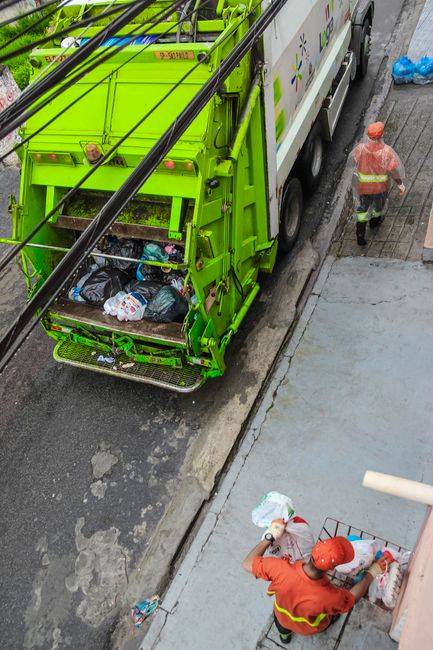
Whitechapel Road Bulky Waste Removal: Prices & Tips
If you are staring at an old sofa, a broken wardrobe, or a pile of mixed junk and thinking, "Right, how on earth do I get rid of this?", you are in the right place. Whitechapel Road bulky waste removal can be straightforward when you know what affects the price, what to prepare, and how to avoid the usual headaches. This guide walks you through Whitechapel Road bulky waste removal: prices & tips in plain English, so you can make a sensible choice without wasting time or money.
Let's face it, bulky waste rarely arrives at a convenient moment. A flat move, a renovation, a new sofa delivery, or a long-overdue clear-out can leave you with awkward items that do not fit in a standard bin. The good news is that with the right plan, the job becomes much easier. You will find practical pricing guidance, real-world tips, compliance pointers, and a simple step-by-step approach that helps you book with confidence.
Table of Contents
- Why Whitechapel Road Bulky Waste Removal: Prices & Tips Matters
- How Whitechapel Road Bulky Waste Removal: Prices & Tips Works
- Key Benefits and Practical Advantages
- Who This Is For and When It Makes Sense
- Step-by-Step Guidance
- Expert Tips for Better Results
- Common Mistakes to Avoid
- Tools, Resources and Recommendations
- Law, Compliance, Standards, or Best Practice
- Options, Methods, or Comparison Table
- Case Study or Real-World Example
- Practical Checklist
- Conclusion
- Frequently Asked Questions
Why Whitechapel Road Bulky Waste Removal: Prices & Tips Matters
Bulky waste is different from everyday rubbish. A mattress, dining table, broken cabinet, or bagged-up shed contents can take up a surprising amount of room, and getting it wrong is a hassle. In a busy part of East London, especially around Whitechapel Road, space is tight, loading is awkward, and kerbside access can be limited. That means a bit of planning goes a long way.
Prices matter because bulky waste removal is often priced by volume, weight, item type, labour, and access. If you do not understand those factors, you can end up overpaying or under-preparing. On the other hand, a clear list of items, a decent estimate of volume, and a tidy collection point can make the service much smoother.
It also matters for compliance and convenience. The wrong disposal route can lead to fly-tipping, blocked hallways, or items left in the wrong place. Nobody wants that. A practical, well-run collection saves time, protects your building, and keeps the clear-out moving without drama.
Expert summary: the best value comes from matching the collection method to the actual job. Small single-item removals, mixed household clearances, and larger property clear-outs all behave differently on price, so a one-size-fits-all approach rarely gives the best result.
How Whitechapel Road Bulky Waste Removal: Prices & Tips Works
In most cases, bulky waste removal starts with a description of the items, an estimate of how much space they will take, and details about access. From there, you receive a quote or price guide. Collection teams then remove the items, load them safely, and sort them for reuse, recycling, or responsible disposal where possible.
A simple job might involve one or two items collected from ground level. A more complex job could include stairs, narrow corridors, parking restrictions, or mixed waste from a flat clearance. Those practical details often influence the final price more than people expect. A sofa from a fourth-floor walk-up is not the same as a chair left neatly at the front entrance.
In real life, the process is often shaped by timing too. Morning collections can be easier for access in busy streets, while late-day clearances may suit people who are trying to avoid interrupting neighbours or staff. A good provider will usually want enough detail to plan the right vehicle, crew size, and time slot.
If you also need wider property clearance, related services can sometimes be bundled together. For example, a loft clear-out or home clearance may be more efficient than booking several separate pickups. If that sounds relevant, you may want to look at loft clearance or home clearance options as part of a bigger tidy-up.
What usually affects the price?
- Volume: how much space the waste takes in the vehicle.
- Item type: furniture, appliances, builders waste, or mixed household items.
- Weight: especially relevant for dense materials and rubble.
- Access: stairs, narrow hallways, lifts, parking, and distance from the vehicle.
- Labour: how many people are needed to move the waste safely.
- Urgency: same-day or short-notice bookings can cost more.
Key Benefits and Practical Advantages
The most obvious benefit is simplicity. You clear out the bulky item, and someone else handles the lifting, loading, and disposal. That sounds basic, but honestly, it is a relief when you are dealing with a heavy wardrobe or a sofa that has somehow become part of the building.
Another big advantage is time saved. If you tried to remove a large item yourself, you would likely need to find transport, get help, and work out where it can legally go. That can turn into an all-day problem, or longer. A professional collection keeps the process moving.
There is also the matter of safety. Bulky items can cause strain injuries, damage walls, and block stairwells if they are moved carelessly. In smaller Whitechapel properties, where staircases can be tight and hallways narrow, that risk is real. A trained team knows how to move items without turning the job into a clumsy shuffle through the landing.
Other practical benefits include:
- Cleaner spaces: your room, basement, office, or flat is usable again.
- Less disruption: minimal dragging, lifting, or repeated trips to disposal points.
- Better sorting: recyclable material can be separated from general waste.
- More predictable budgeting: clearer quotes than trying to solve it yourself at the last minute.
If your clear-out includes old desks, office chairs, or filing cabinets, it may be worth comparing this with office clearance or business waste removal so the service fits the actual job, not just the label.
Who This Is For and When It Makes Sense
Whitechapel Road bulky waste removal makes sense for a wide range of people. If you are in a flat, shared house, office, shop, or small business premises, you may need help with items that are too awkward or too heavy for standard disposal. A quick job for one person can be a proper nuisance for someone else.
It is especially useful if you are:
- moving out and need to clear leftover furniture
- replacing old furnishings after a renovation
- sorting out a garage, loft, or spare room
- closing or refreshing an office or shop unit
- dealing with mixed waste after decorating or small building works
- trying to keep clutter under control without a full property clearance
For example, a landlord may only need a few broken items removed between tenancies, while a family home could need several rooms cleared after a long build-up of furniture and miscellaneous bits. Not every job needs a full house clearance. Sometimes the better answer is a targeted furniture removal or a smaller collection of bulky items.
There is also a common in-between case: the "I only have a few things, but they are awkward things" situation. That one catches people out all the time. One broken sofa is still a big job if you have no lift and nowhere to park. Truth be told, the number of items matters less than the shape, weight, and access.
Step-by-Step Guidance
Below is a practical way to approach your removal so you do not overpay or misjudge the job.
- List everything clearly. Write down each bulky item, even if it feels obvious. A rough list is better than a vague "a few things."
- Sort what is staying and what is going. This sounds simple, but in a rush, people often forget items they meant to keep. It happens.
- Measure the largest pieces. Length, width, and height help give a more accurate estimate, especially for sofas, wardrobes, and beds.
- Check access. Note stairs, narrow doorways, lift access, parking restrictions, and whether items are on the ground floor or not.
- Separate special materials. Builders waste, metal, wood, and mixed household waste may be handled differently.
- Ask about the quote basis. Is it volume-based, item-based, or labour-based? Ask how access affects the price.
- Confirm timing. Decide whether you need a same-day collection, a scheduled slot, or a wider clearance window.
- Prepare the items. Empty drawers, unplug appliances, and clear a path where possible.
- Keep one point of contact. If you are in a shared building, let the relevant person know what is being removed and when.
- Inspect the final result. Before the team leaves, check that all agreed items are gone and the area is left tidy.
A small bit of prep can save real money. For instance, removing loose contents from a wardrobe before collection may make the job easier, quicker, and less risky. That is the sort of detail that people often miss until the moving day shuffle starts.
Expert Tips for Better Results
First tip: be honest about the volume. Understating the job rarely helps. If you say "just a couple of items" and it turns out to be half a room, the quote may change and the day gets awkward. Better to be accurate from the start.
Second tip: take photos. In our experience, a few well-lit pictures of the items and access route can do more than a long description. You do not need studio lighting. A clear phone photo in daylight is enough most of the time. Morning light near a window is ideal, if you can manage it.
Third tip: think in combinations. A sofa plus a couple of chairs may be cheaper to remove together than to book separate collections. The same applies to a bundle of furniture removal items or mixed household waste that can be cleared in one visit.
Fourth tip: ask what happens to reusable items. Some furniture can be passed on, and some cannot. It is worth asking because the answer tells you how the provider handles sorting and sustainability. If this matters to you, have a look at recycling and sustainability to understand the approach behind responsible disposal.
Fifth tip: do not forget building rules. Flats and managed properties often have quiet hours, loading restrictions, or advance notice requirements. A quick check can save a very annoying phone call later. Nobody enjoys that conversation at 7.45 in the morning.
Finally, compare like with like. One provider may quote a low headline price but add extra charges for stairs or heavy lifting. Another may include more in the base rate. Look at the full picture, not just the number at the top.
Common Mistakes to Avoid
People make the same few mistakes with bulky waste removal, and they are avoidable.
- Not listing everything: hidden items in sheds, cupboards, or loft corners can change the job.
- Ignoring access issues: stairs, parking, and long carrying distances can affect labour and time.
- Assuming every quote means the same thing: it does not. One quote may include collection only, another may include loading and disposal.
- Leaving preparation until collection day: that tends to create stress and delays.
- Mixing prohibited items with regular waste: special items need special handling.
- Choosing only on price: the cheapest option can become expensive if it leads to delays or add-ons.
Another common one is forgetting to check what can be reused, recycled, or separated. That does not just affect cost; it affects how tidy the process feels. A little sorting before the team arrives can make a surprisingly big difference.
And yes, there is always someone who says, "It will all fit somehow." Sometimes it will. Sometimes it very much will not.
Tools, Resources and Recommendations
You do not need specialist equipment for every bulky waste job, but a few simple tools can help:
- Tape measure: useful for measuring large furniture and doorways.
- Phone camera: helps you record items and access points for accurate quoting.
- Label tape or sticky notes: good for marking what stays and what goes.
- Gloves: useful if you are moving smaller loose items beforehand.
- Torches: helpful for lofts, garages, and cupboard corners.
For bigger clear-outs, it can help to group related services. A property with a cluttered loft and old furniture downstairs may be better served by combining furniture clearance with loft clearance rather than splitting the work into separate jobs. Similarly, outside clutter or overgrown storage areas may point to garden clearance if the waste is a mix of outdoor items and general rubbish.
If you are comparing providers, it also helps to understand how quoting works. The page on pricing and quotes can give you a clearer idea of how a fair estimate is normally put together. That saves a lot of back-and-forth.
Law, Compliance, Standards, or Best Practice
For bulky waste removal in London, the safest approach is to use a provider that handles waste responsibly and follows accepted industry practice. The key point for most readers is simple: waste should not be dumped, fly-tipped, or handed to someone who cannot explain how it will be managed.
Householders and businesses should take care to use reputable services and keep records where appropriate, especially if the job involves business waste or a larger clearance. If you are a business, the expectations are usually a bit stricter because you may need to show that waste was handled properly and transferred to an appropriate operator.
Common best-practice points include:
- clear descriptions of the items being removed
- safe manual handling and appropriate staffing
- responsible sorting for recycling or disposal
- respect for building access, neighbours, and site rules
- transparent pricing without surprise add-ons
Health and safety also matters. Heavy or awkward items should be moved with care, especially on stairs or in tight communal spaces. If a provider gives you the impression that "it'll be fine" without asking about the route, that is not ideal. Better to be cautious than brave in the wrong way.
For background on how a responsible operator approaches these issues, you may also want to read the health and safety policy and insurance and safety information. Those pages help build trust when you are choosing who to work with.
Options, Methods, or Comparison Table
Not every bulky waste job needs the same solution. Here is a practical comparison to help you decide.
| Method | Best for | Typical strengths | Possible drawbacks |
|---|---|---|---|
| Single bulky item collection | One sofa, mattress, or appliance | Simple, quick, low admin | Can be poor value if you have more than one item |
| Small bulky waste pickup | A few mixed household items | Convenient and flexible | Price may rise if access is difficult |
| Furniture clearance | Chairs, tables, wardrobes, soft furnishings | Good for room resets and upgrades | May not suit builders waste or heavy mixed loads |
| Flat clearance | Flats with multiple items and limited access | Efficient for apartments and shared buildings | Needs more planning for stairs, lifts, and parking |
| Full house or home clearance | Large clear-outs or end-of-tenancy jobs | Can be the most efficient choice overall | More coordination required |
As a rule of thumb, if your items are mostly furniture, a furniture-focused service makes sense. If the job includes a mix of clutter, odd bits, and multiple rooms, a broader clearance service may offer better value. If you only have a few items but access is poor, ask about labour and access charges before you commit. That is where the real cost often lives.
Case Study or Real-World Example
Picture a typical Whitechapel flat clear-out. Two residents are moving out, and they have a three-seat sofa, a bed base, a broken coffee table, a small desk, and a few bags of mixed clutter. The hallway is narrow, the lift is small, and parking outside is not exactly generous. A quick "please take it all" request would not be enough to quote properly.
What made the difference was preparation. They grouped the items by room, measured the sofa, took photos of the stairwell, and noted that the largest item would need to be carried down two flights. Once the access details were clear, the collection team could plan the right vehicle and labour. The job was completed without backtracking, and the flat was left ready for cleaning.
Now compare that with a less prepared version of the same story. The team arrives expecting three small items, then finds half a room, no parking plan, and a wardrobe that will not fit around the turn in the stairwell. Suddenly the job is slower, the quote discussion gets awkward, and everyone loses time. Not fun. Not at all.
The lesson is simple: the better the information, the better the outcome. You do not need a perfectly polished inventory. You just need enough accuracy for the job to be priced and planned properly.
Practical Checklist
Use this checklist before booking your Whitechapel Road bulky waste removal.
- List every item to be removed.
- Measure large items and note access limits.
- Check whether the waste is furniture, household clutter, builders waste, or a mix.
- Decide if you need collection only or a wider clearance.
- Take clear photos of the items and route where possible.
- Ask how the quote is calculated.
- Confirm whether stairs, parking, or urgent timing affect the price.
- Remove personal belongings from drawers, cupboards, and shelves.
- Check building rules and any timing restrictions.
- Keep the final agreed list handy for collection day.
Quick reminder: a tidy, well-described job is usually a smoother job. That is the bit people forget when they are in a rush, and then regret later.
Conclusion
Whitechapel Road bulky waste removal is easiest when you treat it like a practical project rather than a last-minute headache. Know what you are getting rid of, understand the main price drivers, and choose the right removal method for the amount and type of waste. That simple approach saves time, avoids surprise costs, and makes the whole thing far less stressful.
If your job is small, keep it simple and accurate. If it is a bigger clear-out, think about access, labour, and whether a broader clearance service will give you better value. The right choice is usually the one that fits the reality of the job, not just the headline price. And if you can prepare the items properly beforehand, all the better. Small effort now, smoother day later.
Get a free quote today and see how much you can save.
Sometimes the best progress is just getting the clutter out of the way, one sensible step at a time.
Frequently Asked Questions
How much does Whitechapel Road bulky waste removal usually cost?
Pricing usually depends on volume, item type, access, labour, and whether the job is urgent. A simple single-item pickup is often cheaper than a full clearance, but awkward access can raise the cost. The best way to get a realistic figure is to describe the items clearly and include photos if you can.
What counts as bulky waste?
Bulky waste is generally anything too large, heavy, or awkward for normal household bins. Common examples include sofas, mattresses, wardrobes, tables, appliances, and large mixed household items. In practice, if it is difficult to move and does not fit standard bin collection, it is probably bulky waste.
Is it cheaper to remove items myself?
Sometimes, yes, but only if you already have transport, lifting help, and a legal disposal route. Once you factor in your time, fuel, parking, and the risk of injury or fines, professional removal can be better value than it first appears. For many people, convenience wins.
Can I put bulky waste out on the street?
You should not assume that is allowed. In many cases, items left outside without proper arrangement can create problems with access, neighbours, and fly-tipping concerns. It is much safer to arrange a proper collection and confirm the placement instructions in advance.
Do I need to separate furniture from general waste?
It helps, yes. Separating furniture, reusable items, and general clutter makes quoting easier and may improve sorting for recycling or reuse. If everything is mixed together, the job is harder to assess and may take longer to remove.
What information should I give for an accurate quote?
Give a clear list of items, approximate dimensions for the largest pieces, access details, floor level, parking information, and whether the waste is heavy or mixed. Photos are very useful too. A quote based on vague wording tends to be vague, which is not ideal for anyone.
Can bulky waste removal include stairs or narrow access?
Yes, but access needs to be mentioned upfront because it can affect labour and time. A fourth-floor walk-up with a tight landing is very different from ground-floor collection. Good planning keeps the collection safe and avoids surprise costs.
What happens to the waste after collection?
That depends on the type of waste and the provider's process. Items may be sorted for reuse, recycling, or disposal. Responsible operators try to handle material in the most appropriate way rather than sending everything to the same place.
Is bulky waste removal suitable for offices and businesses?
Absolutely. Offices often need desks, chairs, cabinets, screens, and mixed clear-out items removed, especially during moves or refurbishments. In those cases, a business waste or office clearance service may be more suitable than a basic household pickup.
How far in advance should I book?
If your timeline is flexible, a little advance notice usually helps with planning and availability. If you need a fast turnaround, same-day or next-day options may be possible, but the quote and scheduling can be more limited. In a busy part of London, being early is usually the calmer move.
What is the best way to save money on bulky waste removal?
Be accurate, keep the access route clear, combine items into one collection if possible, and choose the right service for the job size. Comparing like-for-like quotes is also key. The cheapest headline price is not always the best value once labour and access are included.
Can I include renovation waste with furniture or household items?
Sometimes, yes, but it depends on the type and amount of renovation waste. A small amount of mixed rubbish may be fine, while heavier builders waste needs a different approach. If your job includes rubble, timber, or demolition debris, mention that clearly when you enquire so the collection can be priced properly.