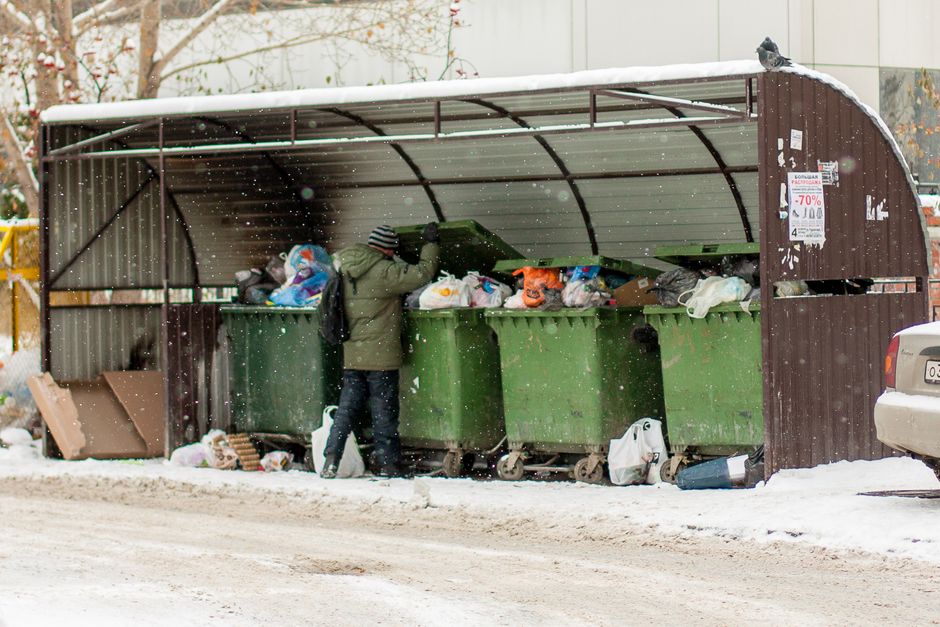
Winter Bulk Waste Checklist for Whitechapel 2027
Winter has a habit of exposing every forgotten pile, broken chair, and half-finished clear-out. In Whitechapel, that usually means tighter access, wetter pavements, darker evenings, and a lot less patience for bulky junk sitting around "just for now". This Winter Bulk Waste Checklist for Whitechapel 2027 is here to make the whole job simpler. Whether you are clearing a flat, a house, a back room, an office store cupboard, or a building project overspill, the goal is the same: remove bulky waste safely, legally, and without making a cold-weather mess of it.
Let's face it, winter bulk disposal is never just about "getting rid of stuff". It is about planning the lift, checking what can be reused or recycled, protecting access routes, and choosing the right removal method before frost, rain, or a packed calendar gets in the way. Below you will find a practical, locally relevant guide designed to help you work through the task without stress.
Contents
- Why Winter Bulk Waste Checklist for Whitechapel 2027 Matters
- How Winter Bulk Waste Checklist for Whitechapel 2027 Works
- Key Benefits and Practical Advantages
- Who This Is For and When It Makes Sense
- Step-by-Step Guidance
- Expert Tips for Better Results
- Common Mistakes to Avoid
- Tools, Resources and Recommendations
- Law, Compliance, Standards, or Best Practice
- Options, Methods, or Comparison Table
- Case Study or Real-World Example
- Practical Checklist
- Conclusion
- Frequently Asked Questions
Why Winter Bulk Waste Checklist for Whitechapel 2027 Matters
Winter is a slightly unforgiving season for bulky waste. Rain soaks cardboard and soft furnishings. Mud gets tracked through hallways. Heavy items become more awkward to carry when steps are slick and gloves make everything feel just a bit clumsier. In a busy area like Whitechapel, these small issues stack up quickly.
A bulk waste checklist gives you structure. Instead of hauling everything out on instinct, you make decisions in a sensible order: sort, separate, measure, protect, lift, and remove. That matters whether you are dealing with a single sofa or an entire property clear-out. It also helps reduce the chance of making avoidable mistakes such as blocking shared entrances, damaging stairwells, or mixing recyclable items with general rubbish.
There is also a financial angle. Messy winter clearances often cost more in time, labour, and repeated trips. A proper checklist helps you avoid that "we should have done this first" feeling. And yes, that feeling usually arrives right when the van is full and the rain starts again. Charming, isn't it?
If you are dealing with furniture, appliances, or mixed household items, it may help to look at furniture clearance and furniture disposal as part of the planning stage. For larger mixed loads, waste removal may be the more practical route.
How Winter Bulk Waste Checklist for Whitechapel 2027 Works
The checklist works by breaking a winter clearance into stages. That sounds basic, but basic is often what saves the day. A good process usually starts with identifying every bulky item, then sorting it into clear categories: keep, reuse, recycle, donate, or remove. After that, you assess access, weight, weather exposure, and whether anything needs special handling.
In Whitechapel, access is often the hidden issue. Narrow staircases, shared hallways, street parking, loading times, and the general winter rush can all complicate what looked like a simple job. The checklist forces you to think ahead. Do you need to protect floors? Do you need two people for the wardrobe? Is the lift working? Can the item be dismantled? Small questions, but they matter.
For some properties, the safest answer is to use a service designed around the property type. A flat in a block may suit flat clearance, while a larger family property may need house clearance or home clearance. A loft stuffed with old furniture and boxes? That leans toward loft clearance.
The winter part simply means you add weather and safety to the decision tree. Dry access, safe footwear, lighting, and timing all become part of the job, not an afterthought.
Key Benefits and Practical Advantages
A well-made winter bulk waste checklist does more than keep you organised. It directly improves the outcome of the clearance.
- Less risk of damage: Floors, walls, bannisters, and doorframes are less likely to suffer accidental knocks.
- Better safety: You reduce slips, awkward lifting, and rushed carrying in poor weather.
- Faster removal: Items are sorted before they are moved, so the job flows more smoothly.
- Cleaner recycling outcomes: Reusable or recyclable materials are separated earlier.
- Lower stress: The work feels manageable because each step is clear.
- Better for shared buildings: Neighbours and building managers are less likely to be inconvenienced.
There is also a quieter benefit that people do not always talk about. A tidy, planned clearance just feels better. You walk into the room and the whole place breathes a bit easier. In winter, that can be oddly uplifting.
If you are working in a business setting, office clearance and business waste removal may give you a cleaner path when desks, filing cabinets, chairs, and archive material all need moving together.
Who This Is For and When It Makes Sense
This checklist is useful for more people than you might expect. It is not only for big landlords or renovation teams. It is for anyone who has bulky items that are awkward in winter conditions and need a sensible plan.
It makes sense if you are:
- clearing a flat before or after a tenancy change
- emptying a house after a long buildup of clutter
- disposing of old office furniture before a refit
- dealing with builders' offcuts and heavy materials after work finishes
- preparing a property for sale, rent, or family use
- clearing a garage, loft, or garden store before Christmas or New Year
It also makes sense when time is tight. Winter always seems to compress everything. School runs, travel delays, shorter daylight hours, and a dozen other things get in the way. Bulk waste tends to sit there waiting for a "better day". Often there is no better day. So you make one.
If the load includes renovation leftovers, it can help to review builders waste clearance. For an especially cluttered outdoor area, garage clearance or garden clearance may be more relevant.
Step-by-Step Guidance
Here is the practical version. No drama, no fluff.
- Walk the space first. Identify every bulky item, including the annoying half-hidden ones behind doors or under stairs.
- Sort by category. Separate furniture, electricals, metal, wood, general rubbish, and anything reusable.
- Check what can be dismantled. A bed frame, wardrobe, or shelving unit is often much easier to move in pieces.
- Measure access routes. Doorways, stair turns, lift size, front paths, and any tight corners matter more than people think.
- Protect surfaces. Use covers, card, or moving blankets where there is a risk of scraping walls or floors.
- Plan lifting order. Move the heaviest item first if it blocks the route, or save it for when the team is warmed up and ready.
- Set aside problem items. Anything wet, damaged, sharp, broken glass, or heavy with unknown contents needs special attention.
- Book the right disposal route. Match the method to the load size and the building type.
- Complete a final sweep. Check cupboards, loft corners, under beds, and behind doors. People always miss one thing. Always.
In winter, I would add one extra step: check the weather on the day and the night before. Sounds obvious. Still worth saying because so many problems start with a single icy patch or a saturated bin bag that split halfway down the stairs.
Expert Tips for Better Results
The best winter clearances are rarely the most aggressive ones. They are the most considered ones.
Tip 1: Start indoors and finish at the threshold. It keeps the cold and wet out of the working area for as long as possible. If you leave the front door open too early, the whole place chills down fast.
Tip 2: Use daylight wisely. In Whitechapel, winter daylight can disappear before you feel ready. Tackle the most awkward lifting earlier in the day if possible. It is a small thing, but the difference is real.
Tip 3: Keep wet items separate. Damp mattresses, waterlogged wood, or muddy garden waste can ruin the rest of the load. Separate them before they spread the mess around.
Tip 4: Think about neighbours. If you live in a shared block, a short warning can help. A lift left free for twenty minutes is a lot less stressful for everyone.
Tip 5: Don't "save time" by overstuffing. Overloading bags or squeezing too much into one trip usually costs more in the end. It is a bit like trying to zip a suitcase sitting on it. Tempting, but not wise.
Tip 6: Choose the right service for the setting. A mixed-load flat move is not the same as clearing office desks or a garage full of old tools. Matching the method to the job saves money and avoids hassle.
If sustainability matters to you, it is worth reviewing recycling and sustainability before the job begins. That simple decision can shape how much is reused, recycled, or diverted from general disposal.
Common Mistakes to Avoid
Most winter bulk waste problems are not dramatic. They are small oversights that snowball.
- Skipping the sort. Mixed loads are harder to handle and harder to process properly.
- Ignoring access constraints. A wardrobe that fits in the room may still fail at the stair turn. Happens all the time.
- Leaving wet weather until last. By then, everything is already slippery and heavy.
- Assuming one person can do everything. They often can't, and that is not weakness. It is just physics.
- Forgetting building rules. Some properties have loading restrictions, lift bookings, or noise concerns.
- Not separating hazardous items. Sharp edges, chemicals, and unknown contents should never be handled casually.
- Using the wrong disposal route. A one-size-fits-all approach is the fastest way to create extra work.
One of the more common winter errors is waiting until the weather turns "better". Truth be told, the weather in London does not always become better on cue. Better to plan around the season than to keep waiting for a mythical perfect dry afternoon.
Tools, Resources and Recommendations
You do not need a van full of fancy equipment, but a few practical tools make a big difference.
- Work gloves: Better grip, better protection.
- Torches or head torches: Essential when daylight fades early.
- Moving blankets or covers: Useful for protecting furniture and walls.
- Strong bags and boxes: Especially for mixed loose items.
- Tape measure: Helpful for door widths, stair turns, and large items.
- Basic marker labels: Good for marking keep, donate, recycle, and remove.
As for service selection, start with the property and the waste type. A single bulky sofa is not the same as a full property emptying. If you are unsure, a clear quote process is usually the sensible next step. You can review pricing and quotes before deciding how to move forward.
For some situations, the fastest route is also the most practical one: a tailored house clearance for a full home, or a more targeted flat clearance when access is tighter and the load is more contained.
Law, Compliance, Standards, or Best Practice
Without turning this into a legal lecture, there are a few sensible compliance points to keep in mind. In the UK, waste should be handled responsibly, and that means choosing a disposal route that aims to sort, recycle, and manage items properly. For households and businesses alike, best practice is to avoid fly-tipping, avoid blocking public access, and avoid leaving waste in communal areas longer than necessary.
For businesses, the duty of care around waste is especially important. In plain English, that means you should know where waste is going and who is handling it. If you are clearing an office, storage room, or commercial unit, use a process that keeps records and makes sense operationally. That is one reason business waste removal and office clearance are worth considering for company premises.
Safety also matters. Winter clearances involve slips, trips, lifting strain, and reduced visibility. Good practice is to keep walkways clear, avoid rushing, and use proper lifting technique. If a load contains sharp, awkward, or heavy items, it may be safer to let trained people manage it. If that sounds obvious, fair enough. But a lot of accidents happen because someone was trying to be "quick".
Where appropriate, check service terms and safety information before booking. If you want to understand how a provider approaches risk and responsibility, it is worth reading health and safety policy, insurance and safety, and terms and conditions.
Options, Methods, or Comparison Table
Not every winter clearance needs the same approach. Here is a simple comparison to help you choose.
| Method | Best for | Pros | Watch-outs |
|---|---|---|---|
| DIY clearance | Small, manageable loads | Low direct cost, full control | Time-consuming, higher lifting risk, transport needed |
| Van-and-team removal | Heavy or awkward bulky items | Faster, less strain, better for stairs and shared access | Needs booking and clear instructions |
| Property-specific clearance | Flats, houses, offices, lofts, garages | Tailored to the space and item type | Still needs good prep and accurate access details |
| Mixed waste removal | Loads with varied items | Convenient for cluttered spaces | Sorting and recycling decisions still matter |
If the space is awkward, the access is narrow, or the weather is poor, a tailored option usually beats a DIY approach. That said, if you only have a few lightweight items and a clear route, DIY can be sensible. The key is honesty about the actual job, not the job you wish you had.
Case Study or Real-World Example
A typical winter job in Whitechapel might involve a two-bedroom flat with an old sofa, a broken bed frame, a wardrobe, several boxes of mixed storage, and a few damp garden bits from a small courtyard. Nothing dramatic. Just enough clutter to make the place feel cramped and cold.
In that kind of situation, the first sensible move is not to start dragging things out. It is to sort the load and check the route. Can the wardrobe be taken apart? Is the sofa too large for the turn at the top of the stairs? Are there bags of soft items that need to be kept dry? Would the communal entrance need protection? Those are the real questions.
Once the items are grouped, the team can move through the property in a cleaner sequence: light loose items out first, bulky furniture next, damp or dirty material last. That avoids spreading grime through the hallway and keeps the job smoother. The result is not just a clearer flat; it is a less stressful day for everyone involved. There is a nice little moment at the end when the room looks bigger than you remembered. People always pause there. Just for a second.
Practical Checklist
Use this checklist before any winter bulk waste job in Whitechapel.
- List every bulky item to be removed
- Separate keep, donate, recycle, and dispose
- Measure doorways, stairs, lifts, and loading access
- Check whether any items need dismantling
- Protect floors, corners, and shared hallways
- Confirm who will do the lifting
- Set aside sharp, wet, or awkward items
- Check weather and daylight timing
- Make sure building rules or neighbour considerations are covered
- Choose the right service for the load type
- Keep paperwork, booking notes, or instructions together
- Do a final sweep for hidden items
Expert summary: The cleanest winter clearances are planned, sorted, and well-timed. If you control the access, weather exposure, and item order before the first lift, you avoid most of the mess that turns a simple job into a long afternoon.
For a broader look at property clean-outs, you may also find garage clearance and home clearance helpful when the job is not limited to one room or one type of item.
Conclusion
The Winter Bulk Waste Checklist for Whitechapel 2027 is really about staying ahead of the season. Winter makes bulky waste harder to ignore and a bit harder to move, so the answer is not to rush. It is to plan properly, sort what you have, protect the space, and choose the most suitable removal route for the building and the load.
That approach saves time, lowers stress, and makes the end result feel cleaner in every sense. Whether you are dealing with a flat, house, office, loft, garage, or mixed waste load, a clear checklist turns a cold-weather headache into something manageable. And that is worth a lot on a grey Whitechapel afternoon, when the light is fading and you still have one last pile to sort.
If you are ready to move from planning to action, take the next sensible step and get a tailored quote that matches your space, timing, and waste type.
Get a free quote today and see how much you can save.
Frequently Asked Questions
What is a winter bulk waste checklist?
It is a simple planning guide for clearing large or awkward items during colder months. It helps you sort items, check access, protect surfaces, and choose the right removal method.
Why is winter bulk waste harder to manage in Whitechapel?
Winter adds rain, darker evenings, slippery surfaces, and more awkward lifting conditions. In Whitechapel, shared access, tight streets, and busy buildings can also make planning more important.
What items count as bulky waste?
Typical bulky waste includes sofas, wardrobes, beds, tables, chairs, shelving, mattresses, appliances, and similar large items that do not fit in normal bins.
Should I dismantle furniture before removal?
If it can be done safely, yes. Dismantling large furniture often makes it easier to carry through tight spaces and reduces the chance of damage.
Is DIY bulk waste removal a good idea in winter?
It can be, but only for smaller loads with easy access. For heavy, wet, awkward, or high-volume waste, a professional clearance approach is usually safer and less stressful.
How do I know whether I need house clearance or flat clearance?
If you are clearing a whole house or a large part of one, house clearance is usually the better fit. For a smaller property or a building with tighter access, flat clearance may be more suitable.
What should I do with furniture that is still usable?
Separate it early. Usable items may be suitable for reuse, donation, or a more specific furniture clearance route rather than general waste disposal.
Can winter weather delay a bulk waste collection?
It can. Heavy rain, ice, poor access, or unsafe conditions may affect timing. That is why it helps to build a bit of flexibility into your plan.
Do I need to think about recycling during bulk waste clearance?
Yes. Sorting recyclable materials from the start is one of the easiest ways to reduce waste and improve the outcome of the clearance.
What is the biggest mistake people make with winter bulk waste?
Probably underestimating access and weather. The item itself may be fine, but the route out, the timing, or the wet surfaces can turn it into a bigger job than expected.
How far in advance should I plan a winter clearance?
As early as you reasonably can. Even a short amount of prep time makes a big difference, especially if the job involves a flat, a shared building, or several bulky items.
Where can I check a provider's safety and policy information?
Look at pages such as health and safety policy, insurance and safety, and terms and conditions so you know what to expect before booking.